My Journey with Food
I have enjoyed food and cooking my whole life. Like many, I’ve gone through different phases of eating habits, learning along the way what truly nourishes my body. I’m fortunate that my mom always cooked tasty meals from whole foods while still leaving room for favorite homemade treats. I loved helping in the kitchen and experimenting with different flavors, but it wasn’t until I moved away from home that I started thinking more critically about food and health.
At first, I fell into the common belief that a vegetarian diet was the healthiest choice. I adopted it with good intentions, thinking it would provide everything I needed. Instead, I lost a significant amount of weight, despite already being at a healthy weight, and became deficient in many key nutrients. Over time, I developed a range of health issues: anxiety, digestive difficulties, a missing menstrual cycle, and more.
I quickly realized that something was wrong with my approach. I began reincorporating animal products into my diet, and while this helped, it was only the beginning of a long journey back to health. Healing took time. It took me years of slow, intentional dietary improvements, including careful supplementation, to begin undoing the damage caused by overly restrictive eating.
Over time, my entire perspective on food shifted. Instead of focusing on avoiding certain foods, I began prioritizing nutrient density above all else. Even with a whole-food diet, meeting all of my nutritional needs, especially during pregnancy and nursing, requires careful planning and is surprisingly difficult. This journey has been a gradual process, one that began over a decade ago when I first recognized that vegetarianism was not the right path for me. It was further reinforced through my children’s struggles with food allergies and eczema, which pushed me to learn even more. And even now, my understanding of nutrition and its effect on health continues to evolve.
Food As Medicine
Most people think about food as simply calories and macronutrients: protein, carbohydrates, and fats. But it is so much more than that! Vitamins, minerals, and other plant compounds like polyphenols and glucosinolates are crucial for the optimal functioning of bodily processes. Focusing simply on the energy component of food does a disservice to our health.
My own experiences have shown me both sides of this reality: nutrient deficiencies can cause profound health issues, while the right foods can facilitate healing.
The Microbiome
Food affects us not only directly by providing essential nutrients, but also indirectly through its impact on our gut microbiota and their activity. The microbes living in our digestive system influence digestion, inflammation, and immune development and function. The foods we eat influence which microbes thrive in our gut, and each species has its own set of genes and functions. Fermented foods additionally provide beneficial bacteria, which can shift the balance of our gut microbiome in a positive way.
Further, the compounds produced by microbes in our body not only affect us directly, but they can actually modify the way our genes function. These changes are called epigenetic changes because they don’t alter the DNA sequence itself. Instead, they add chemical tags to certain parts of the DNA. These tags act like switches, turning genes on or off depending on their type and location. So, while genetic variation is certainly important, it’s only one piece of the puzzle. There’s so much more to consider.
Literally Medicine
I have gradually become more and more intrigued by herbal medicine. There is even a surprising amount of formal research supporting its utility, from the use of red raspberry leaf during pregnancy to elderberry for immune support, and more. Most common culinary herbs and spices also contain medicinal compounds, like thyme, oregano, and ginger. I like to include a variety of herbs, spices, and edible flowers and berries in the meals I cook in order to maximize the diversity of bioactive compounds I consume. And when an illness or ailment pops up, I am no longer afraid to try natural remedies first. In my experience they often work very well!
What I Eat
I will leave the specifics of my dietary habits for future articles, but here is a bit about my general approach:
-
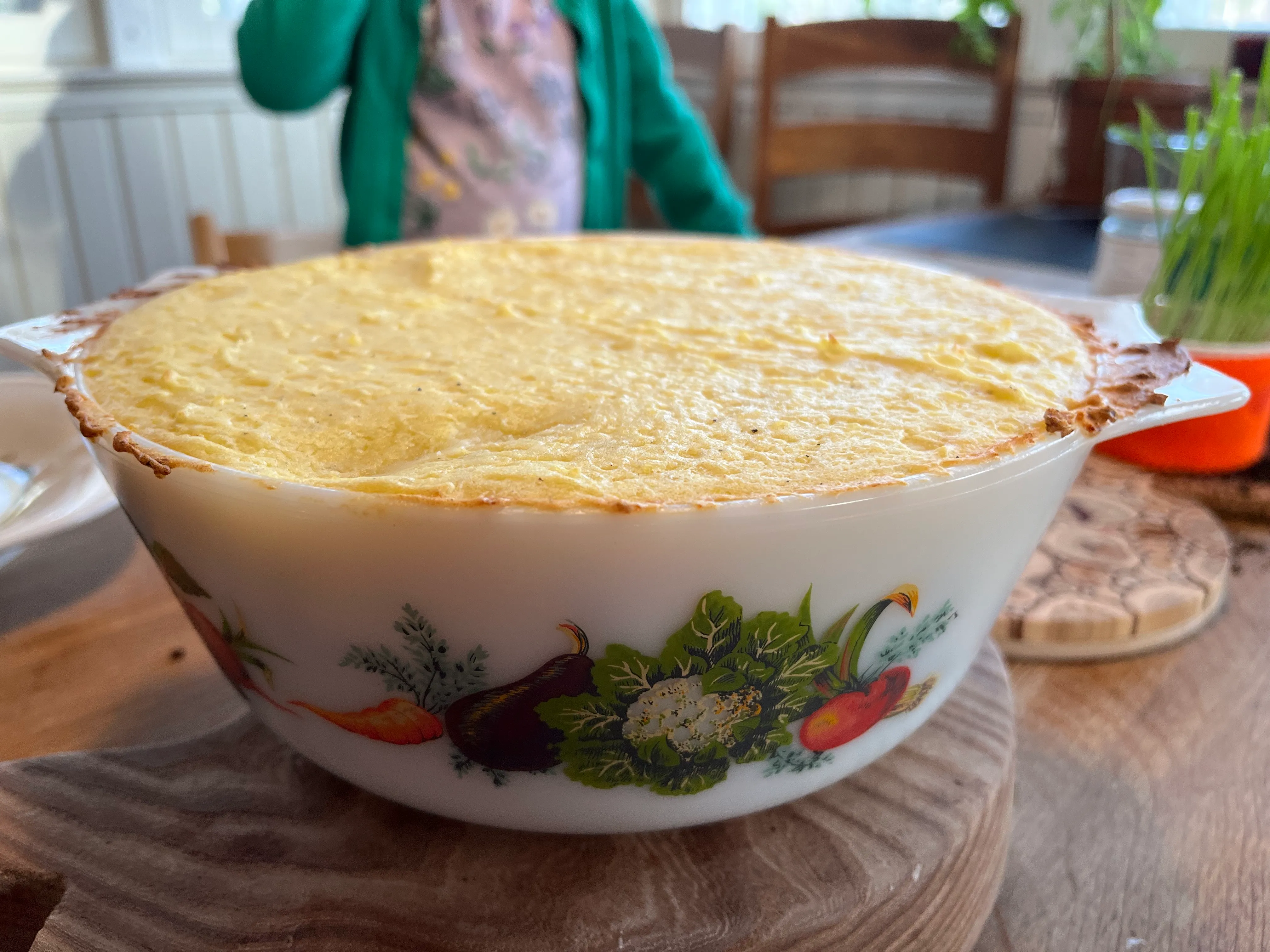
I prioritize whole, locally sourced foods whenever possible. This includes a wide variety of plant foods grown in my own yard or from several favorite local farms. In colder months, I try to at least choose regionally available foods.
-
I aim to buy 100% of our meat from local farms that follow regenerative agricultural principles (although this term currently lacks a formal definition, it generally refers to farming methods that restore soil health and biodiversity).
-
I don’t consume anything I couldn’t realistically make myself. And whenever possible, I actually do make it myself.
-
I eat with the seasons, both for nutritional and metabolic reasons. In the summer, I eat more fresh produce, leafy greens, berries, and salads. In the winter, I focus more on roasted root vegetables and nourishing stews. This rhythm feels natural and aligns with how humans have eaten for millennia.
Not Just For My Body
The food we eat isn’t just important for our own health—how we produce it also has a profound impact on the environment.
Modern farming practices almost unanimously neglect soil biology, resulting in issues such as poor nutrient content in plants, soil degradation, and increased release of carbon into the atmosphere. This in turn weakens the immune system of crops making them more susceptible to pests and diseases, increasing reliance on synthetic fertilizers, pesticides, and herbicides—a cycle that only worsens over time. The industrial food system is making both us and our soil sick.
I am passionate about learning and practicing regenerative food production methods that not only rebuild soil and ecosystems but also result in more nutrient-dense, healing foods.
Food is so much more than fuel. It’s a powerful tool for healing, nourishment, and regeneration both for us and our environment.