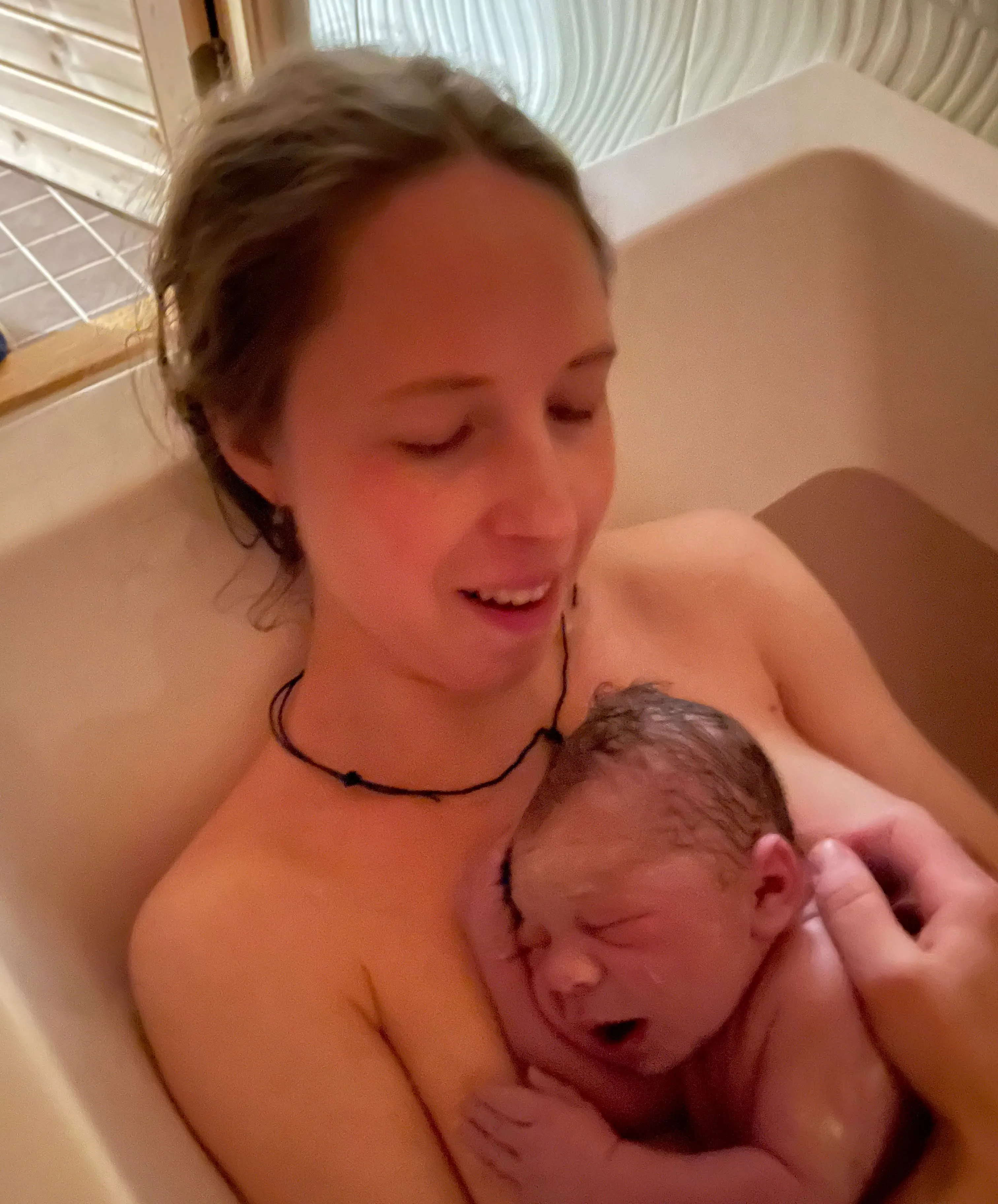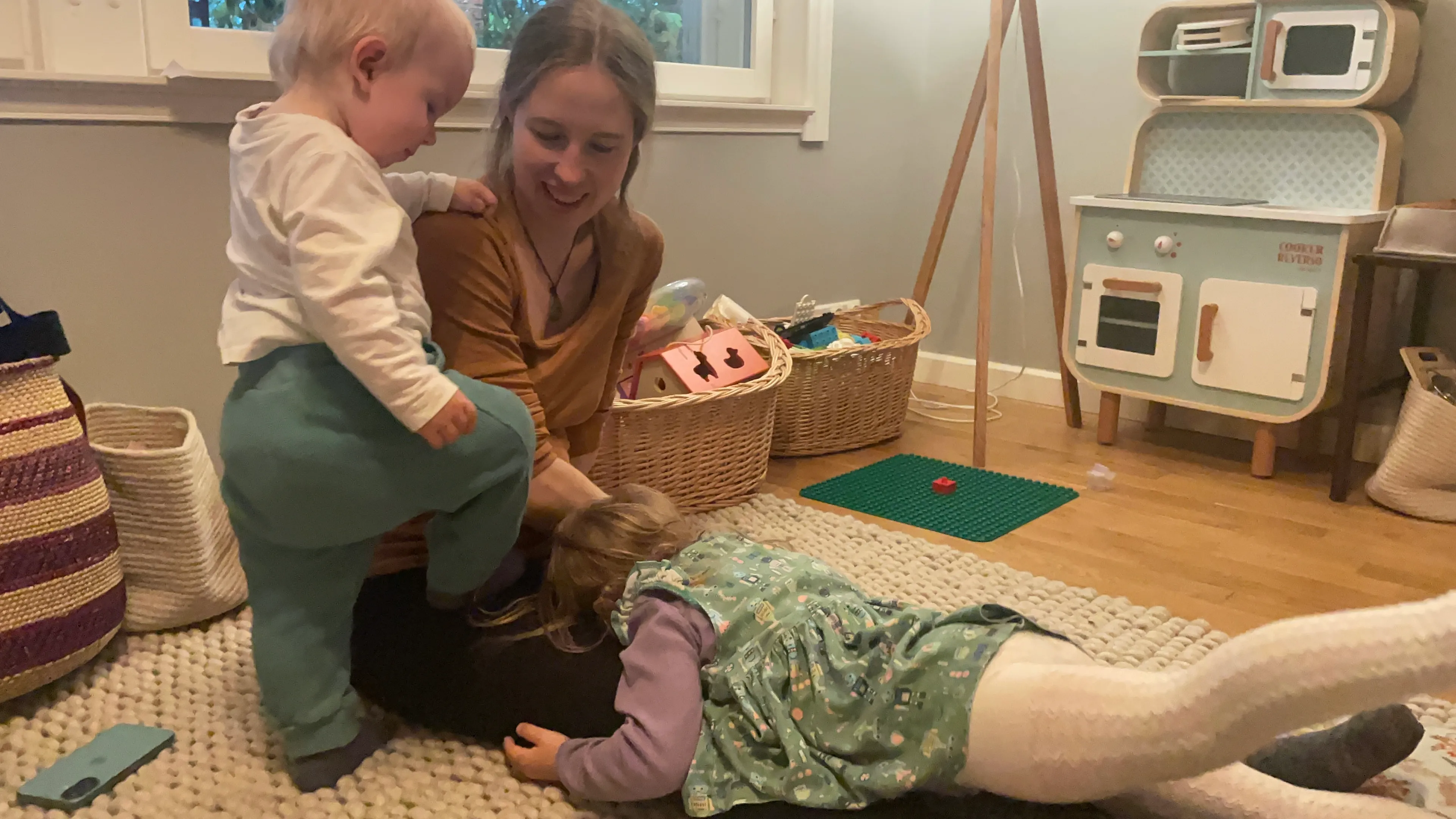
There is something quite endearing about helping a tiny baby use a tiny potty. This practice is called elimination communication (EC), and it is so much simpler than I imagined it could be before I tried it.
How I First Heard About Elimination Communication
I first heard of EC well before I had even become a mother. While waiting to be able to have my first child, I researched many topics related to baby care practices. Being a crunchy person even then, I knew I wanted to use something other than disposable diapers for my babies. When looking into this topic, the two main options presented were cloth diapers and EC.
I still remember feeling incredulous that practicing EC could be worthwhile. To me, at the time, it sounded like mostly luck and a whole lot of accidents. I could not understand how it could possibly be easier than using diapers. Plus, if I’m being honest, I kind of looked forward to being able to choose modern cloth diapers with cute prints. Additionally, my older sister had used these with her own children, so the idea was familiar and comfortable.
Trying EC With My Second Child
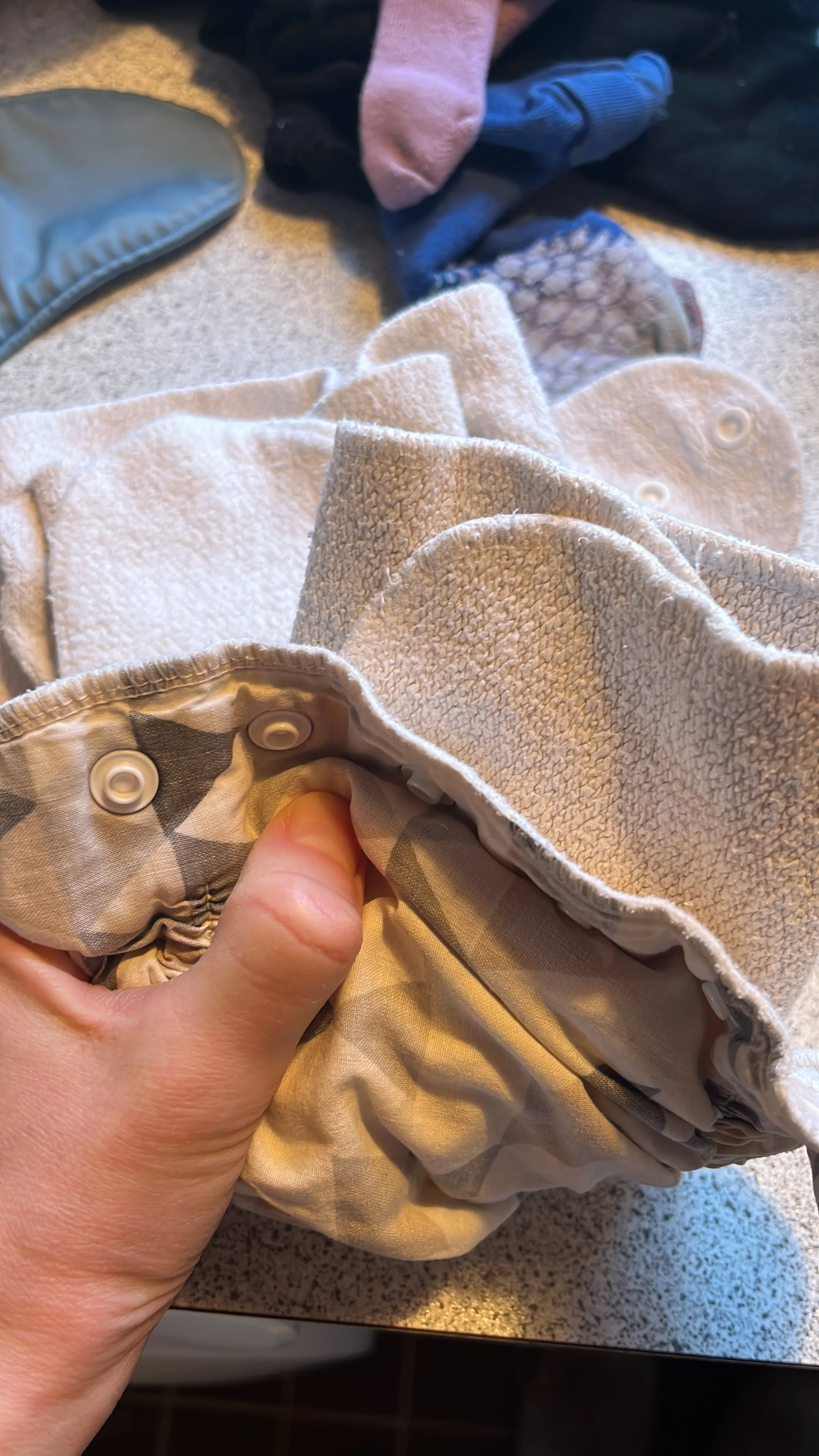
Thus, with my first child I used a combination of modern cloth diapers (mostly all-in-ones), along with a small stash of fitteds and flats with wool covers. By the time my second child was around four months old, I ran across the idea of EC again and decided to give it a try. It became apparent to me that babies really did seem to signal when they needed to eliminate—at least until we train them to use a diaper, that is.
Since he had already gotten used to using diapers, it took a while to have any success. But sure enough, after holding him over the sink and saying “pss pss” at every diaper change, he started peeing in the sink. When he got a bit older and could sit up, we started using the toddler potty too, and he even started pooping on the potty!
That said, he never really consistently signaled to me when he needed to go—aside from getting fussy and needing to poop right at bedtime for several months when he was around a year old. I consistently gave him “pottytunities,” and he only wet a couple of diapers per day. But if I forgot to put him on the potty, he just used the diaper and did not complain. Then, after he started daycare at 15 months old when I went back to work, we lost most of that progress for several different reasons. Now he’s two and a half years old, and again, while he knows how to use the potty and will if I put him on it, he just does not tell me when he needs to go.
Starting Earlier With My Third Child
When I was pregnant with my third child, I decided I was going to begin EC much earlier, as I suspected that it would be easier if the baby never became trained to use a diaper in the first place. I had told one of my friends about EC, and after she practiced it with her daughter from birth, they no longer needed to use diapers by around one and a half years old. I am sure there is quite a bit of variation between children and how successful EC is, but I was motivated to give it a good try this time.
So-what did I do? Here’s the thing: I have never read a single book on EC, taken a course, or otherwise spent much time becoming any kind of expert on the topic. I have read blog posts, watched a few videos, and then just tried it out with my second child—albeit a bit too late to be optimally effective.
All I did this time was put my baby on the potty at every diaper change, starting at three days old. That’s it. I have a top hat potty upstairs in our bedroom and one downstairs. It only took a couple of days for me to notice that whenever she became extremely fussy but would not nurse, she always peed immediately if I put her on the potty. And if I ignored her and just kept trying to comfort her in other ways, she peed in her diaper. I realized she was definitely telling me when she needed to go!
By a few weeks old, we were only using a few cloth diapers each day. Often, if I missed her cue because I had to help one of my older children, there would only be a tiny wet spot in the diaper, and then she would pee again on the potty. Even at night, she almost always woke up with a dry diaper. At each wake-up, I would put her on the potty and put her usually dry diaper and her clothes back on before nursing her back to sleep.
All in all, it is clear to me that she not only tells me when she needs to go, but actively tries to avoid going in her diaper. Many people claim this is not possible, but I know several people who have had very similar experiences.
Is Elimination Communication All or Nothing?
Some people worry that doing EC is a sort of “all or nothing” situation where, if you do it, you must not use diapers at all and thus need to be constantly vigilant to prevent accidents. In my experience, this should not be something to worry about. Sometimes my daughter gets upset if we are somewhere I can’t help her use the potty immediately—like inside a store but far away from the bathroom. It’s not ideal, but it is more ideal, in my opinion, than making your baby always sit in wet and dirty diapers. I find that a few instances of “not listening” to her in these kinds of situations are not enough to make her stop telling me when she wants to use the potty.
Would I Recommend Elimination Communication?
I would recommend EC to everyone, no matter what kind of diapers you are planning to use as backup. It is easy and convenient—you don’t have to pack so many diapers for an outing—it saves on diaper laundry or the cost of buying diapers, and it increases the bond between you and your child. Ultimately, there is no downside to trying.